


Youth Orchestra Program Fees in Ontario: A Complete Guide
Quick Summary
Youth orchestra program fees in Ontario typically cover tuition for rehearsals and ensemble training, plus registration and administration charges. Totals vary between programs, so families should review each fee category separately. Audition fees, instrument and music costs, and concert travel can add to the final bill.
Tuition is usually the largest line item in a program's fees.
Registration and administration fees may be one-time or recurring, so check the fee schedule.
Audition fees are often separate from tuition and are usually not refundable.
Confirm in writing whether instrument rental, sheet music and concert attire are included.
Ask programs about needs-based bursaries, instrument scholarships and sibling discounts before registering.
Is a youth orchestra right for your child?
York Region Youth Orchestra offers conductor-led training, sectional coaching and live concert experience for young musicians.
Table of Contents
What Youth Orchestra Program Fees Cover in Ontario
Youth orchestra program fees in Ontario typically cover tuition for rehearsals and ensemble training, along with registration and administration charges. Families should review each fee category separately, since the total can differ meaningfully between programs. York Region Youth Orchestra (YRYO) is a registered Canadian charity serving young musicians across York Region and the Greater Toronto Area. Families can start by reviewing the fee structure on the organization's own site.
Tuition, registration and administration fees
Tuition is usually the largest line item. Registration and administration fees are often charged separately, and they can apply once per family or once per child. Read the fee schedule closely to see whether these charges are one-time or recurring.
Many families find it helpful to list every fee on one page before committing. A simple list of tuition, registration, administration and any audition charge shows what the first payment will be and what later instalments will cost.
What tuition includes and what it does not
Tuition generally covers instruction and rehearsal time, but it may not cover instrument rental, sheet music, travel to concerts or concert attire. Ask the program directly which items are included. A program with a lower tuition figure can end up costing more once these extras are added.
Watch out: a family that assumes concert travel is included may discover a second bill after the season starts, so confirm extras in writing before the first payment.
Youth Orchestra Audition Requirements and Audition Fees
Most youth orchestras in Ontario ask applicants to audition, and many charge an audition fee that is separate from tuition. Audition requirements usually cover the instrument, a prepared excerpt or piece, and sometimes scales. Families preparing a child for an audition can start with the Ontario Ministry of Education music curriculum to understand the skills that teachers and panels expect at each level.
Audition fees are often modest, but they are not refundable in most cases. Families interested in the related ensemble can request a York Region Youth Choir audition and review its fee. Check whether the fee is charged per instrument or per applicant, and whether a younger sibling auditioning at the same time receives a reduced rate. Check the organization's website for current audition details.
Comparing Youth Orchestra Fees Across Ontario Programs
Comparing youth orchestra fees across Ontario programs is harder than it looks, because programs package their costs differently. One program may bundle concerts and music into tuition, while another charges each item separately. A fair comparison means putting the same categories side by side: tuition, registration, audition, administration, and any mandatory extras.
For current pricing, contact York Region Youth Orchestra through its website or request a direct quote. Focus on the total cost for a full season, not only the headline number, and note whether discounts apply to siblings or early payment.
The table below lists the cost categories to compare side by side when reviewing programs.
Cost category | What to check | Why it matters |
Tuition | Published season fee | Usually the largest line item |
Registration and administration | One-time or recurring | Can apply per family or per child |
Audition | Fee per applicant or per instrument | Often separate from tuition |
Mandatory extras | Music, concert attire, camps | Can add cost after the season starts |
Total Cost of Participation Beyond Tuition
The published fee is rarely the full cost of participation. A useful way to budget is to separate costs into four buckets: tuition and registration (fixed, published), audition and application charges (one-time, often non-refundable), instrument and music costs (recurring), and season logistics such as travel, concert attire, and any required camps or workshops. Most families find the last two buckets are where the surprises hide.
Instrument and music costs
String players typically face the most predictable recurring costs: strings, rosin, and periodic bow rehairing or setup adjustments. Wind and brass players budget for reeds, mouthpieces, valve oil, and occasional repairs. Percussion families may need to supply sticks and mallets, and some programs ask students to bring a snare drum or practice pad to sectionals. Sheet music is sometimes included in tuition and sometimes charged per folder or per concert cycle, so confirm which model applies before the season starts.
Travel, attire, and concert logistics
Rehearsal travel is the largest variable cost for many families, especially where a weekly commute crosses a school-night dinner window. Concert attire is usually specified by the program, often black formal wear or a uniform shirt, and can be a meaningful one-time purchase for a growing teenager. Where a program requires a residential camp, retreat, or workshop weekend, that fee is often separate from tuition and should be added to the annual total.
Building a season budget
A simple budget with one row per bucket, reviewed before the first payment, makes the true annual investment visible. Set aside a monthly amount for recurring instrument costs, and keep a small contingency for repairs and replacement parts. Watch out: a family that budgets only the tuition figure can be caught short when a concert-attire requirement, a music folder charge, or a mandatory workshop fee arrives mid-season, so ask each program for a written list of every charge before committing. Including the instrument itself in that written cost check can prevent a major surprise, and Elida Violins can help families think through what a decent student violin may cost.
Youth Orchestra Financial Assistance, Bursaries and Family Discounts
Financial help is available for many families who would otherwise find orchestra fees out of reach, but the process is rarely advertised in one place. Assistance in this space generally falls into four categories: needs-based bursaries, merit or instrument-specific scholarships, sibling and multi-child discounts, and instalment plans that spread the cost rather than reduce it. Understanding which category a program offers, and which one your family qualifies for, is the first step.
How needs-based bursaries are usually assessed
Most programs that offer bursaries ask for a short application describing the family's circumstances, sometimes supported by documentation such as a recent tax notice or a letter from a school. Awards are typically applied against tuition rather than paid out in cash, and many are renewed annually only if the family reapplies. A common pattern is for the bursary to cover a percentage of tuition rather than the full amount, so families should ask what proportion is typically awarded and whether the remainder can be paid in instalments.
Scholarships, sibling discounts, and how they stack
Instrument-specific scholarships are often funded by donors or community partners and may target instruments the ensemble needs most, viola, double bass, oboe, and bassoon are frequent examples. Sibling discounts are usually a fixed percentage off the second and subsequent child's tuition, but programs differ on whether the discount applies to registration fees as well. Ask directly whether a scholarship and a sibling discount can be combined, since many programs allow only one reduction per student.
Timing, documentation, and how to ask
Assistance deadlines often fall before the general registration window, so families should ask about financial support at the same time they inquire about auditions rather than after an offer is made. Keep income documentation, a brief statement of circumstances, and any teacher reference ready in advance. Watch out: a family that waits until after registration closes to ask about a bursary may find the fund already allocated for the season, so raise the question early and in writing. Programs generally treat assistance applications confidentially, and asking does not affect a child's audition outcome.
Payment Schedules, Deadlines and Fee Changes
Many programs offer payment in full or in instalments, so compare the available options before committing. Note each due date, since a late payment can affect a child's place in the ensemble.
Fees can change from season to season. Confirm the current schedule on the program's website or by contacting the office before budgeting.
Youth Orchestra Rehearsal Schedule and Time Commitment
Rehearsal schedules shape the real cost of participation, because time has value for busy families. Check with the program for its full rehearsal calendar, including whether rehearsals fall on school nights and how many weekends the season requires.

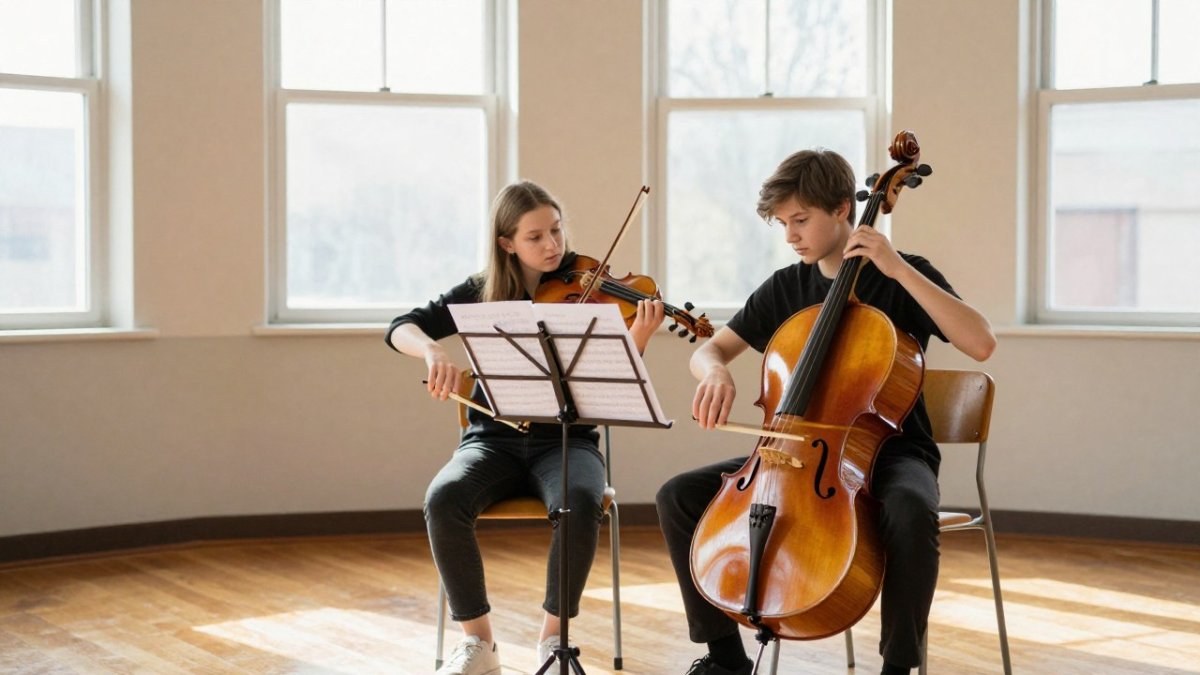
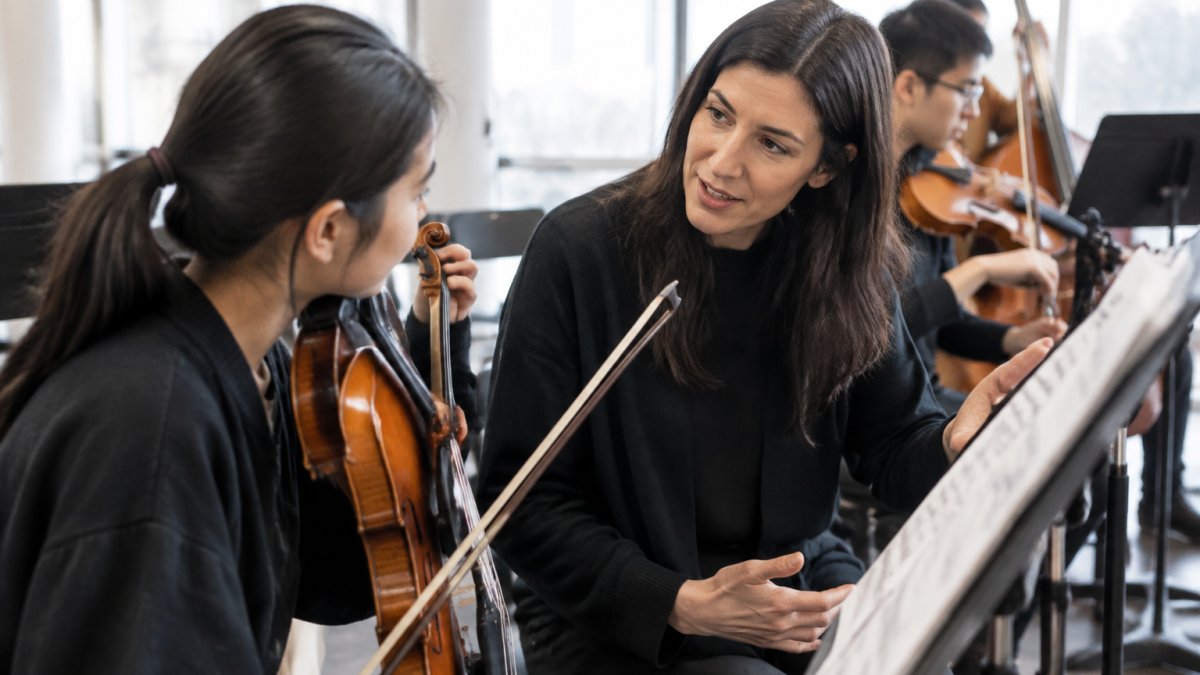
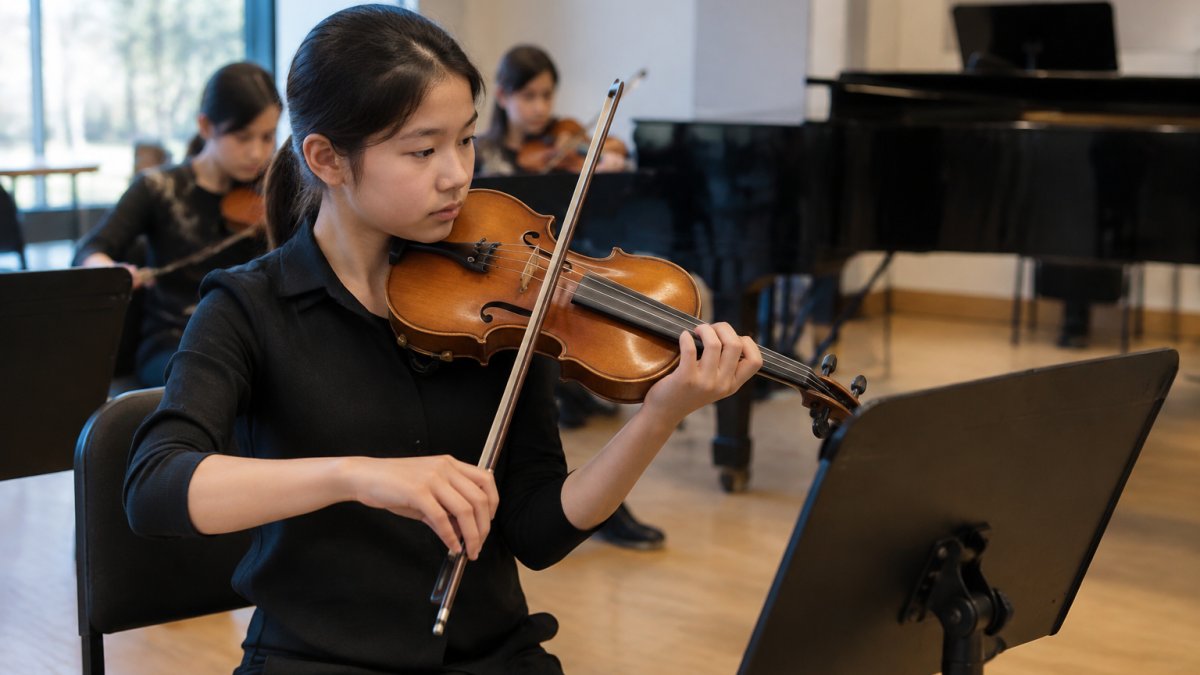
A group of young string players warming up in a bright rehearsal hall, with a parent quietly watching from the back, gives a sense of what a typical session looks like. The time commitment is best judged by asking the program for its full calendar before enrolling.
Preparing for Orchestra Rehearsals and Choosing Your Next Step with York Region Youth Orchestra
Preparing a child for orchestra rehearsals works best when practice is regular and the instrument is in good condition. Set a consistent practice time, review the music before each session, and talk with the child about what they enjoy most in ensemble playing.
York Region Youth Orchestra offers professional conductor and sectional coaching, community concerts, and performance opportunities for young musicians. If you are ready to take the next step, use the Youth Orchestra Application Form on the website.
Frequently Asked Questions
How much do youth orchestra programs cost in Ontario?
Youth orchestra fees in Ontario vary by organization, season length, and the number of programs a student joins. Costs are typically split into an audition or application fee, a registration fee, and season tuition, which may be paid in one payment or in instalments. Because these amounts change from year to year and differ between organizations, the most reliable approach is to request the current fee schedule directly from each program and compare the totals for the same season length. Current pricing for York Region Youth Orchestra is available on its website or through a direct quote.
What do youth orchestra membership fees usually include?
Membership or season tuition generally covers rehearsals, sectional coaching, ensemble instruction, and participation in scheduled concerts. Some programs also include access to music parts or performance opportunities such as outreach events. Registration and administration fees are often charged separately and may not be refundable. Ask each program to list what its tuition covers so you can compare like with like, since two programs with similar totals may offer very different services.
Are there extra costs beyond youth orchestra program fees?
Yes. Families often budget for an instrument rental or purchase, repairs, rosin and reeds, travel to rehearsals and concerts, concert attire, and any optional tours or cultural exchange trips. Confirm whether tours, special collaborations, or competition entries are included in the base fee before you commit, because these can add significantly to the total cost of participation.
Do youth orchestras offer financial assistance or fee reductions?
Many youth music organizations offer some form of financial help, such as bursaries, need-based assistance, multi-child or family discounts, or early-registration rates. Availability and eligibility rules differ by program and can change each season. Contact the program's administration office before the registration deadline, explain your situation, and ask which options are open for the upcoming season. Applying early often improves your chances of receiving support.
Comments