


4 Youth Orchestra Programs Compared for Beginner and Intermediate Players
Quick Summary
Beginner and intermediate youth orchestra programs separate players by ability, so each child rehearses with peers at a similar level. Placement is usually based on a short prepared piece and scales, and rehearsals follow a regular schedule with the instrument and music brought to every session.
Youth orchestra programs usually group players by ability rather than age alone.
Many programs ask for a short prepared piece and a few scales at audition.
Families should ask which level a child is placed in and how placement is reviewed.
Rehearsals generally run on a regular schedule, with players bringing their instrument and music.
Practising assigned parts at home between sessions makes rehearsals far more productive.
Table of Contents
Beginner and intermediate youth orchestra programs are a practical way for a child to build real ensemble skills, and comparing them carefully helps families choose well. This guide covers how programs differ by level, what auditions typically involve, and how rehearsals are organized.
Canadian Music Educators' Association guidance on ensemble music education
Beginner and Intermediate Youth Orchestra Programs Compared
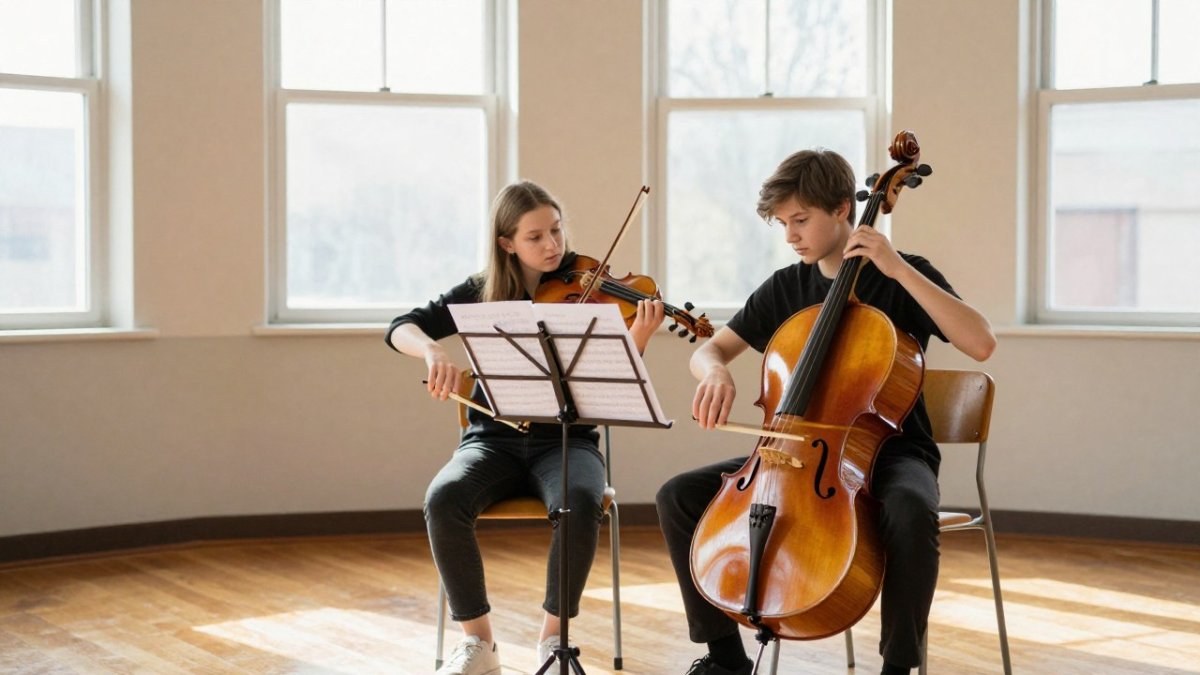
Youth orchestra programs usually separate players by ability, so a beginner and an intermediate player do not sit in the same rehearsal. See what a youth orchestra can teach beyond private lessons to compare your options. Families should ask which level a child is placed in and how placement is reviewed over time.
Youth Orchestra Audition Requirements and Placement by Ability
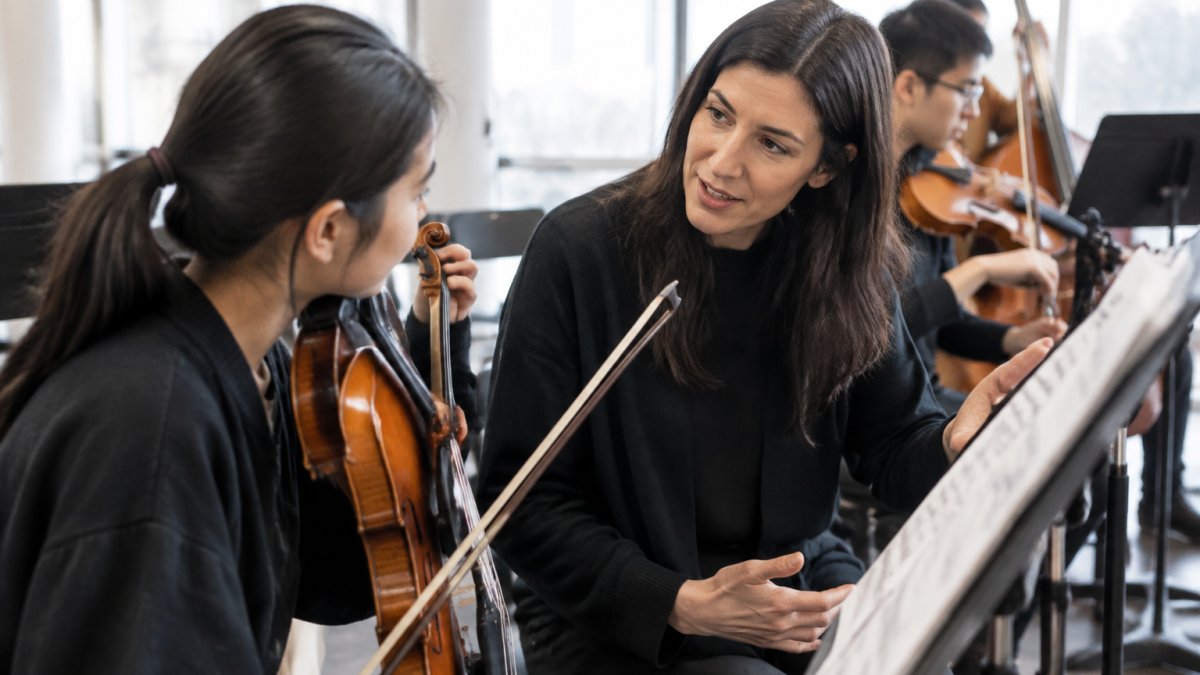
Many youth orchestra programs ask players to perform a short prepared piece and a few scales, and placement is often based on current level rather than age alone. When you are ready, you can sign up for an audition directly. Read practical audition preparation tips before you perform. Browse the orchestra members to see the range of players and levels in the ensemble. A youth orchestra performing on a dark stage, with string players and cellos in front of a banner reading 'Youth Orchestra' and large screens.
Youth Orchestra Rehearsal Schedule and How to Prepare for Orchestra Rehearsal
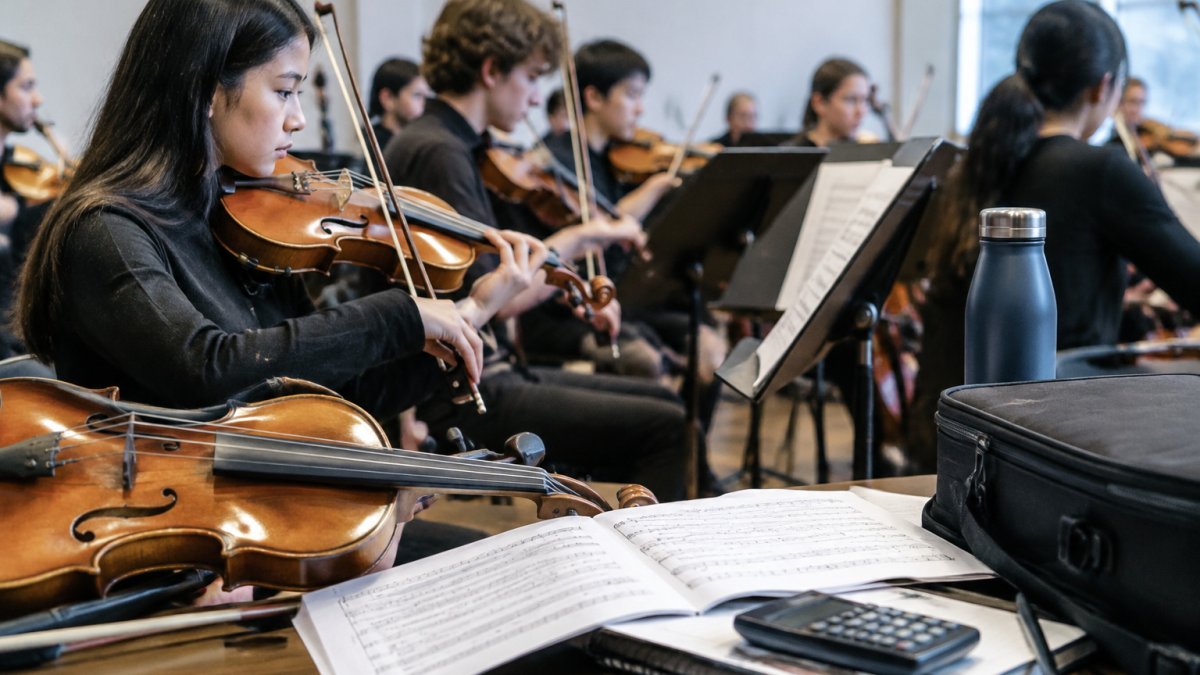
Youth orchestra rehearsals generally run on a regular schedule, and players are typically expected to arrive with their instrument and music. Learn how a youth orchestra is organized by section before your first session. Practising the assigned parts at home between sessions makes rehearsals far more productive.
Ask the program for the current rehearsal calendar and the exact preparation expected before the first session. For current fees, schedules and audition dates, check York Region Youth Orchestra's website directly. With the rehearsal calendar and preparation expectations in hand, families can also consider whether a student clarinet for school will suit the player’s needs across both lessons and orchestra.
Frequently Asked Questions
Can beginners join a youth orchestra?
Some youth orchestras accept beginners, but many expect players to read music and hold a steady tone before joining. Beginner and intermediate programs exist specifically for this stage. Check each program's stated level, then ask whether a placement or short audition is required so your child lands in an ensemble where they can keep up and keep growing.
How do youth orchestras place students by ability?
Most programs place students through a short audition or assessment covering scales, sight reading and a prepared piece. Results usually sort players into beginner, intermediate or advanced ensembles. Ask the program how placement works and whether students can move up to a higher level after a season of steady progress.
How often do youth orchestra programs rehearse?
Youth orchestras commonly rehearse once a week for about two hours, with extra sectional or concert sessions close to performance dates. Confirm the exact schedule, including weekday evenings and any weekend commitments, before enrolling so the rehearsal load fits around school and homework.
Comments